Apr 20, 2026 / By Abdul Moiz / in Ecommerce Technology & Gadgets
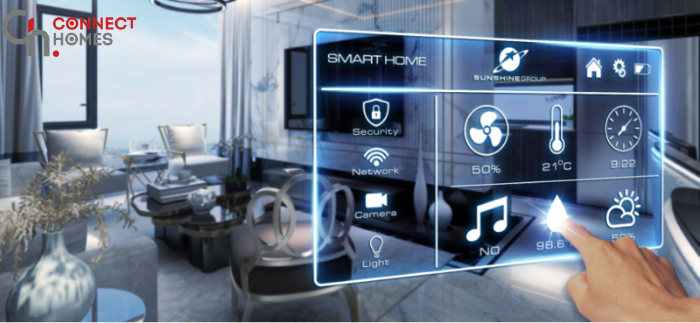
Introduction The rapid evolution of the Internet of Things (IoT) has brought us to an era where our homes are no longer just shelters; they are intelligent ecosystems. Smart home technology has transitioned from a futuristic concept seen in sci-fi movies to an essential part of modern living. In 2026, home automation is not just about luxury—it is about efficiency, security, and sustainability. This comprehensive guide explores how you can upgrade your lifestyle using the latest smart home gadgets.
Why Should You Invest in Smart Home Technology? Before diving into the gadgets, it is important to understand the value they bring. Smart homes offer three primary benefits:
Energy Efficiency: Smart devices like thermostats and lighting systems can reduce electricity bills by up to 30% by optimizing usage.
Enhanced Security: With real-time alerts and remote monitoring, you are always connected to your home, no matter where you are in the world.
Unmatched Convenience: Automating repetitive tasks, such as brewing coffee or locking doors, saves time and reduces daily stress.
Top Categories of Smart Home Devices
1. Intelligent Lighting Systems Smart bulbs and switches are often the first step into automation. Unlike traditional bulbs, smart lighting allows you to control brightness and color temperature via smartphone apps or voice commands. You can set schedules so lights turn off automatically when you leave for work, which is a major factor in reducing energy waste in large cities like Karachi.

2. Advanced Home Security & Surveillance Security is a top priority for homeowners today. Modern smart cameras offer 4K resolution, night vision, and AI-powered motion detection that can distinguish between a pet and a human intruder. Integrating smart doorbells and biometric locks ensures that you have full control over who enters your property, providing peace of mind for families.
3. Smart Climate Control & Energy Management With rising energy costs, smart thermostats and automated cooling systems have become vital. These devices learn your daily routine and adjust the temperature accordingly. For instance, in peak summer months, the system can pre-cool your room just before you arrive home, ensuring comfort while maximizing power efficiency.
4. The Role of Voice Assistants and Hubs A truly smart home needs a "brain." Centralized hubs like Amazon Alexa, Google Home, or Apple HomeKit allow different devices from various brands to communicate with each other. Using simple voice commands, you can dim the lights, lock the doors, and play music simultaneously.
The Future of Smart Homes: AI and Connectivity As we move further into 2026, Artificial Intelligence (AI) is making homes even smarter. Future systems will be proactive rather than reactive. Imagine a home that detects a water leak before it becomes a flood or a refrigerator that automatically orders groceries when you are running low. The integration of 5G and Wi-Fi 7 is making these connections faster and more reliable than ever before.
Conclusion Transitioning to a smart home is a journey, not a one-time purchase. Start with small, impactful devices and gradually build a fully connected environment. At Connect Homes, we specialize in providing high-quality smart solutions tailored to your needs. Embrace the future today and experience a level of comfort and security like never before.
Tags: smart home Home Automation IoT Energy Saving Home Security Connect Homes 2026 Technology Karachi E-commerce
Apr 20, 2026 by Abdul Moiz
Mar 19, 2026 by Abdul Moiz
These cookies are essential for the website to function properly.
These cookies help us understand how visitors interact with the website.
These cookies are used to deliver personalized advertisements.