0 0
0
No products in the cart.

smart home security

Mar 06, 2026 / By Abdul Moiz / in Buying Guides & Tips Technology & Gadgets

Smart Home Setup Guide 2026: Complete Beginner’s Guide

Introduction

Smart homes are no longer just for tech enthusiasts. In 2026, smart home technology has become affordable, accessible, and practical for everyday households. Whether you want better security, energy savings, or convenience, building a smart home is easier than ever.

This guide explains everything step-by-step so beginners can confidently set up their own smart home system.

Smart Home Setup Guide 2026: Complete Beginner’s Guide

Introduction

Smart homes are no longer just for tech enthusiasts. In 2026, smart home technology has become affordable, accessible, and practical for everyday households. Whether you want better security, energy savings, or convenience, building a smart home is easier than ever.

This guide explains everything step-by-step so beginners can confidently set up their own smart home system.

What Is a Smart Home?

A smart home is a house equipped with internet-connected devices that allow you to control appliances, lighting, security, and other systems remotely using a smartphone or voice assistant.

Instead of manually switching devices on or off, automation handles daily tasks for you.

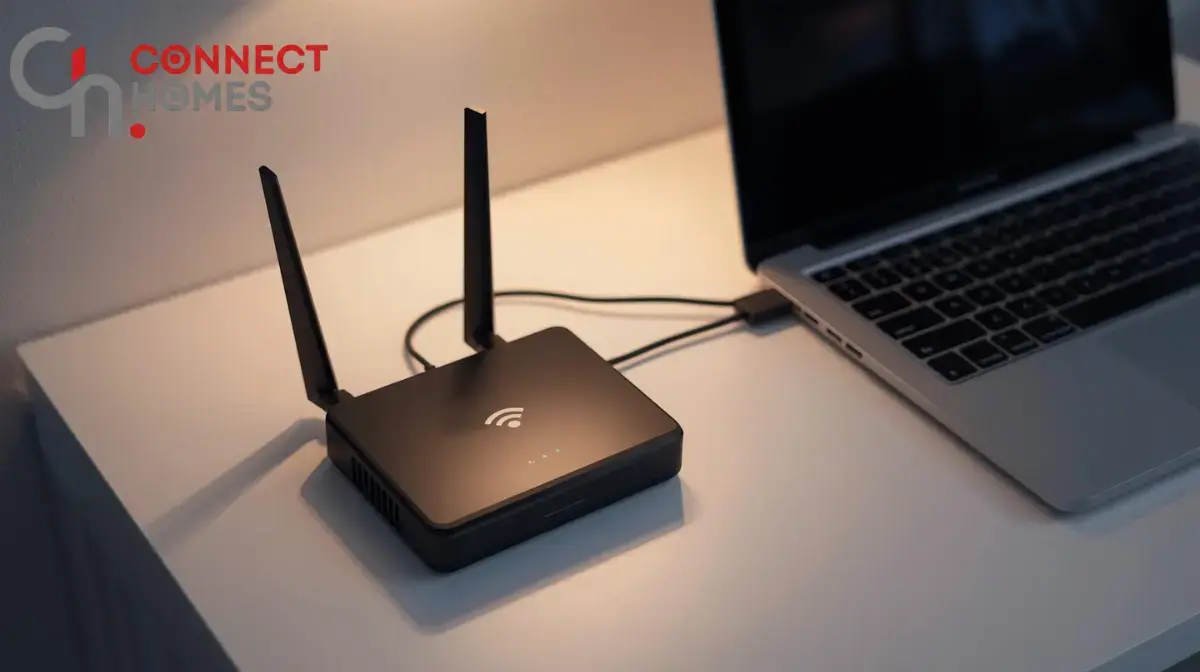
Step 2: Secure Your Internet Connection

A stable internet connection is the backbone of any smart home.

To avoid downtime:

  • Use a high-quality WiFi router

  • Install a router power backup system

  • Ensure strong signal coverage in all rooms

If your internet goes down, most smart devices stop functioning. That’s why power backup solutions are becoming essential in 2026.

Step 2: Secure Your Internet Connection

A stable internet connection is the backbone of any smart home.

To avoid downtime:

  • Use a high-quality WiFi router

  • Install a router power backup system

  • Ensure strong signal coverage in all rooms

If your internet goes down, most smart devices stop functioning. That’s why power backup solutions are becoming essential in 2026.

untitled-design-1-1.webp

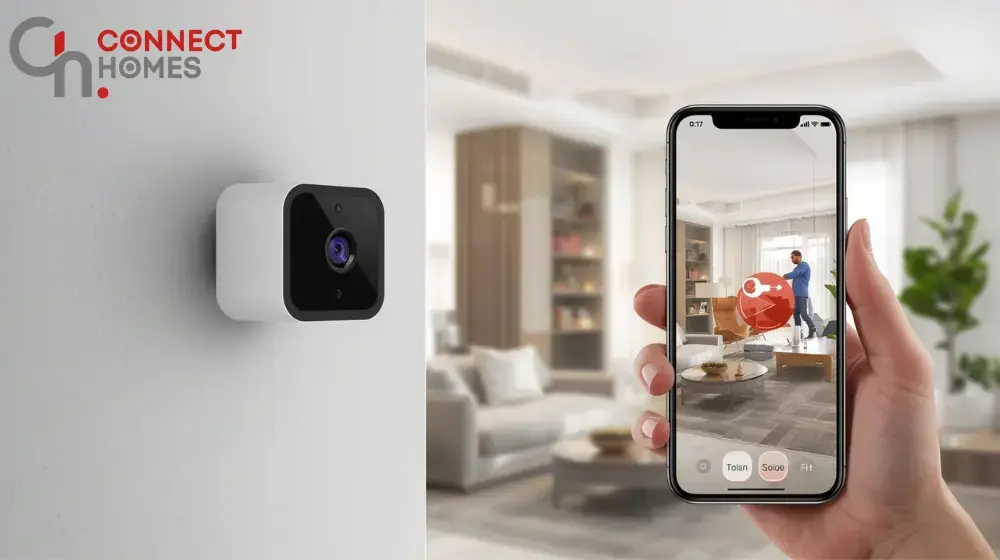
Step 3: Install Smart Security Devices

Security is one of the main reasons people upgrade to smart homes.

Popular smart security devices include:

  • AI-based indoor cameras

  • Outdoor surveillance cameras

  • Smart doorbells

  • Motion sensors

Modern systems can send real-time alerts to your phone and even distinguish between humans and pets.

untitled-design-2-1.webp

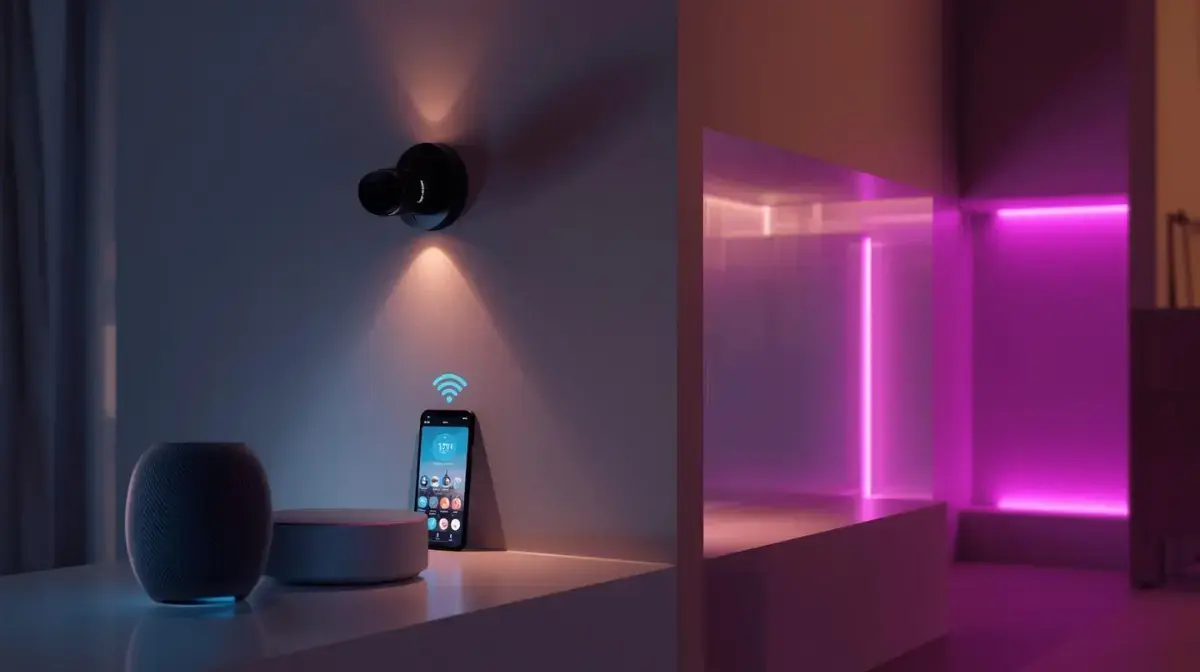
Step 4: Upgrade to Smart Lighting

Smart LED lights are one of the easiest upgrades.

Benefits include:

  • Remote control from smartphone

  • Adjustable brightness

  • Color-changing options

  • Energy savings

  • Scheduled automation

For example, lights can automatically turn off when no one is in the room.

untitled-design-3.webp

Step 5: Use Smart Plugs for Regular Appliances

Not every appliance needs to be replaced. Smart plugs can convert traditional devices into smart ones.

You can:

  • Schedule usage times

  • Monitor electricity consumption

  • Control appliances remotely

This is a cost-effective way to expand your smart system.

Step 5: Use Smart Plugs for Regular Appliances

Not every appliance needs to be replaced. Smart plugs can convert traditional devices into smart ones.

You can:

  • Schedule usage times

  • Monitor electricity consumption

  • Control appliances remotely

This is a cost-effective way to expand your smart system.

Step 6: Automate for Maximum Efficiency

The real power of a smart home lies in automation.

Examples of automation:

  • Lights turn on at sunset

  • AC turns off when room is empty

  • Security camera activates when you leave home

  • Router backup activates during power outage

Automation reduces effort and improves energy efficiency.

Benefits of a Smart Home in 2026

1. Convenience

Control everything from your phone or voice.

2. Energy Savings

Smart scheduling reduces electricity waste.

3. Enhanced Security

Real-time monitoring provides peace of mind.

4. Future-Ready Living

Technology integration increases property value.

Frequently Asked Questions (FAQs)

Is a smart home expensive?

Not necessarily. You can start with basic devices like smart plugs and gradually upgrade.

Do smart devices consume more electricity?

No. Most smart devices are energy-efficient and actually help reduce electricity usage.

What happens if internet stops working?

Some devices stop functioning, which is why router backup and stable internet are important.

Final Thoughts

Building a smart home in 2026 does not require advanced technical knowledge. By starting with essential devices like smart speakers, security cameras, WiFi backup systems, and lighting automation, you can gradually transform your home into a smarter and more efficient living space.

Smart homes are not just a trend—they represent the future of comfortable and intelligent living.


Your experience on this site will be improved by allowing cookies Cookie Policy